Books & Ideas is the English-language mirror website of La Vie des Idées, a free online journal which has gained a large readership and established itself in France as a major place for intellectual debate since 2007.
Julia Cagé and Thomas Piketty’s economic history of political conflict in France is a defense of bipartition: The Left-Right divide, which is the foundation of our democracy, has enabled social progress. We must therefore work to restore it.
As multilateral cooperation is increasingly under attack, Katerina Linos challenges certain misperceptions about the role of international institutions, particularly the European Union, and emphasizes their capacity for action in times of multiple crises.
In his academic reading of Julia Cagé and Thomas Piketty’s book, Michel Offerlé provides a critical analysis of the selected indicators, followed by a comparison with works of electoral sociology and electoral history.
Long the subject of myth, Pius XII’s attitude towards the Holocaust and Jewish persecution can now be evaluated with the help of the archives. Nina Valbousquet makes a convincing case: the issue was not impartiality, but tepidness.
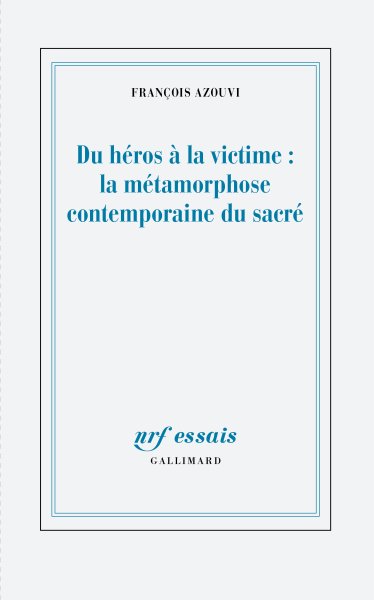
About: François Azouvi, Du héros à la victime : la métamorphose contemporaine du sacré, Gallimard
About: Eric Fabri, Pourquoi la propriété privée (The Whys and Wherefores of Private Property), Le Bord de l’Eau
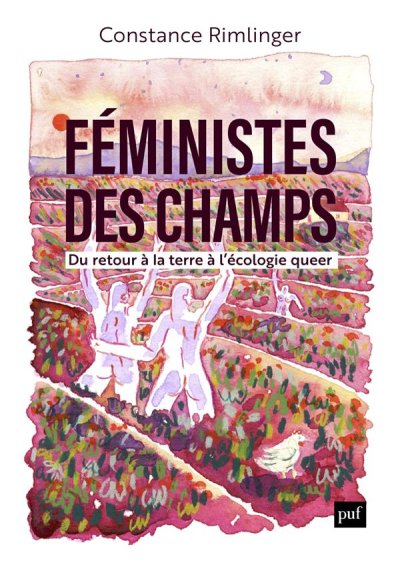
About: Constance Rimlinger, Féministes des champs. Du retour à la terre à l’écologie queer, Presses universitaires de France
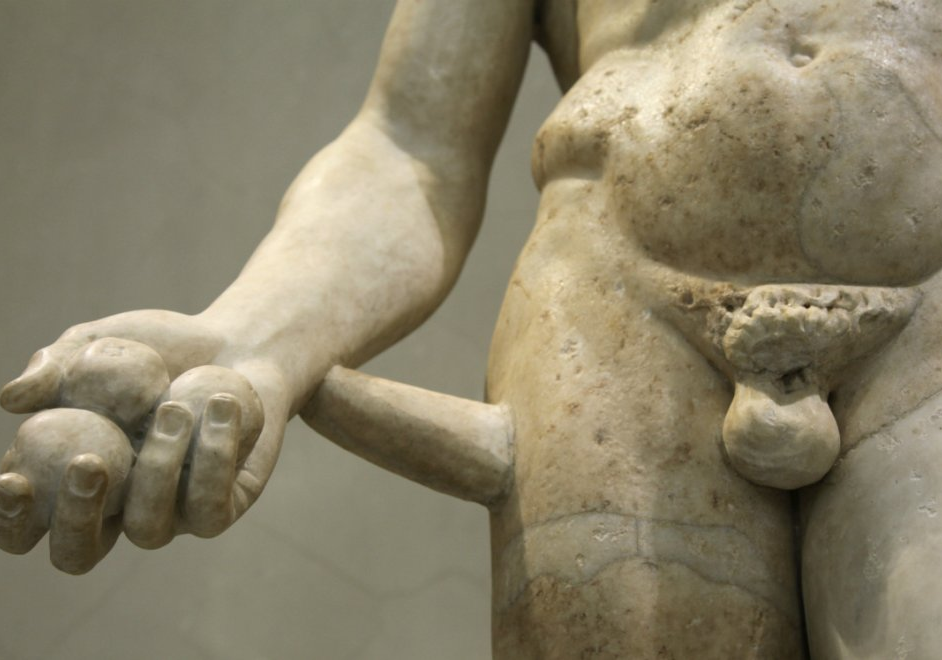
A rumour is circulating in some African countries: the French state is organising penis thefts to offset declining fertility. The rumour, spread by Russian propaganda, has become fake news.
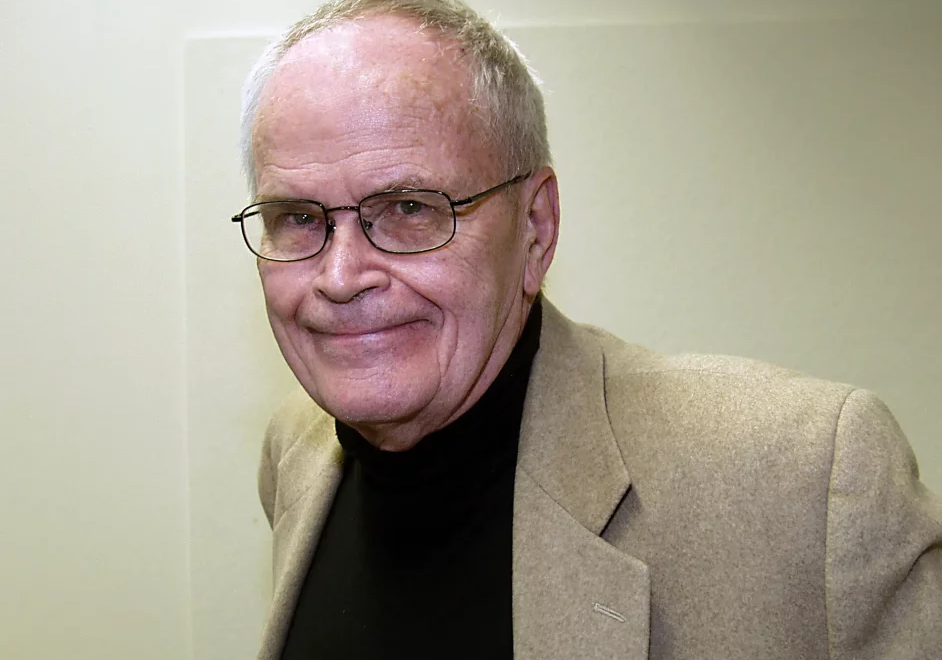
The American sociologist Harrison White made a vital contribution to the development of social network analysis. Besides his work in this field, his theoretical synthesis and his understanding of social formations have influenced a variety of fields such as the sociology of art and economic sociology.
Ukraine’s water networks have been mobilized since the start of the war in 2014. Infrastructure workers are some of the last to leave settlements attacked by the Russian army. Water systems and people are resisting but are reaching the limits of their capacity to adapt to violence and disruptions.
The media industry has undergone dramatic changes in its technologies and business models. To help us understand the effects of these changes on democracy, Books and Ideas takes the discussion away from simplistic dichotomies between the Internet and the so-called “traditional” press.
How can we define democracy today? What role does or should the people play in the democratic process ? Through its summer selection, Books&Ideas offers to rediscover a group of four interviews and reviews, published in 2015 and 2016, which have tackled these questions through the prism of history, philosophy and political sciences.
The June protests which shook Brazil in 2013 stunned the world. This dossier, published by Books&Ideas, discusses the main issues at the core of these protests, analyzing them in the light of previous mobilizations and explaining why they are essential to the understanding of contemporary Brazil.
Leading 19th century statesman, political economist, architect of the 1860 commercial treaty between France and the United Kingdom, and campaigner for peace between European nations, Michel Chevalier had also been a dominant voice in the Romantic socialism of Saint-Simonianism: the eclectic nature of his thought would lend itself to a particular vision of Europe, forerunner of today’s European Union.
One of Albert O. Hirschman’s contributions to economic theory is a richer understanding of the concept of the “rational actor,” which, he demonstrated, possesses the deliberative capacities that democratic market societies require. This following is a profile of an economist who was also a dissident and an activist.
For more than thirty years, Joan Scott has been informing and transforming both our history and the way we write history, while encouraging us to question categories and change our modes of thinking. From class struggle to sex differentiation, sexual emancipation and race, she proposes a critical analysis of Republican rhetoric to undermine naturalized forms of inequality.
L’adoption du mode de scrutin proportionnel apparaît aujourd’hui, selon deux politistes, comme une condition nécessaire pour redonner à la démocratie française la capacité de renouer avec des gouvernements représentatifs, stables et opérationnels.
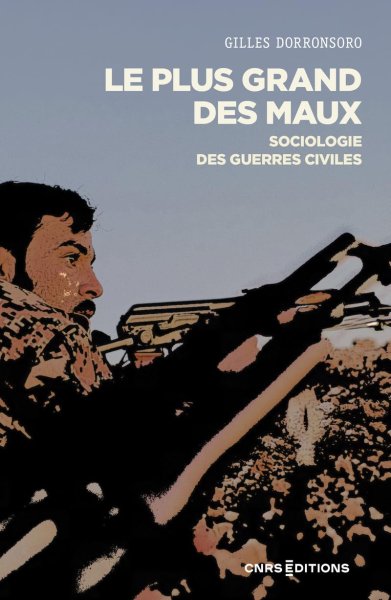
Que nous apprennent les sciences sociales sur ce que sont – et ne sont pas – les guerres civiles ? Fort de décennies d’enquêtes au cœur de la violence, Gilles Dorronsoro propose une théorie générale des guerres civiles et démontre l’utilité sociale de l’enquête de terrain.
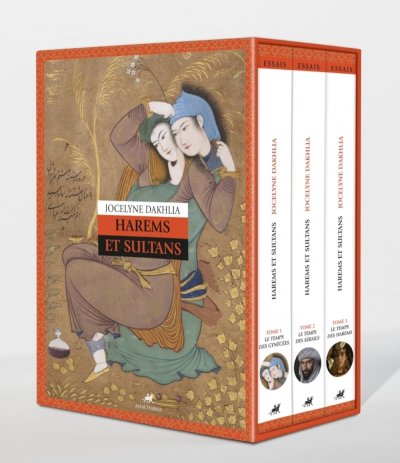
Le harem a nourri l’imaginaire occidental jusqu’à aujourd’hui, véhiculant le cliché d’un monde despotique et misogyne. L’imposante documentation réunie par J. Dakhlia offre une vision plus nuancée.
À propos de : Amandine Catala, The Dynamics of Epistemic Injustice. Situating Epistemic Power and Agency, Oxford University Press
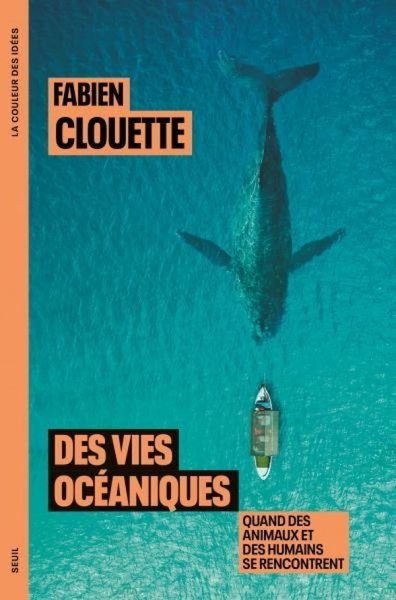
À propos de : Fabien Clouette, Des vies océaniques. Quand des animaux et des humains se rencontrent, Seuil